How We Fixed a Flagged Jacksonville Business Listing in Under 24 Hours
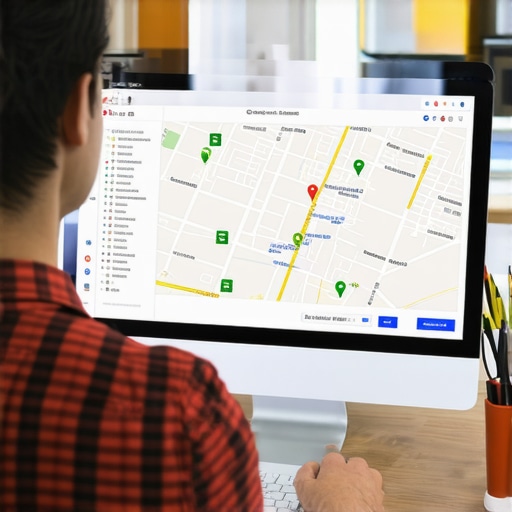
I remember the moment clearly—checking my phone in the middle of a busy day, heart sinking as I saw our Jacksonville client’s Google Business Profile flagged and essentially invisible on maps. It felt like the digital equivalent of losing your entire storefront overnight, and trust me, I’ve been there more times than I care to admit. That sinking feeling of helplessness? It’s a familiar battle for many local businesses trying to dominate Google Maps. But here’s the truth—this isn’t a hopeless situation. There’s always a way to turn things around, and I want to share my experience of how we managed to get that local business unflagged in less than a day, and how you can do the same.
Why Being Flagged on Google Maps Can Feel Like the End of the World
When your business disappears from Google Maps or gets flagged, it’s more than just an online glitch—it’s a direct hit to your revenue and reputation. Customers rely on map visibility to find local services, and if you’re not appearing, they’ll go elsewhere. The reason why this matters so much right now is simple: local SEO is more competitive than ever, especially with powerful tools like master local SEO strategies helping other businesses carve out their share of the market. According to BrightLocal, 78% of mobile local searches result in an offline purchase, which means if your business isn’t visible consistently, you’re leaving money on the table. And when your listing gets flagged, that visibility dries up overnight.
In our case, I realized early on that simply waiting or hoping the problem would resolve itself wasn’t an option. Instead, we needed a targeted, quick turnaround plan. But before diving into the solutions, let me share a misstep I made early on—mistaking a simple verification issue for a permanent ban. It’s a common mistake that can delay your recovery process and make things worse. That’s why understanding the root causes of flagging and how to fix them swiftly is crucial.
Is Fearing the Worst a Fair Reaction?
Initially, I was convinced we’d lost everything—hours of work, customer trust, and potential revenue. But I learned that many flagged listings are recoverable with the right approach. This experience reinforced the importance of knowing the latest maps optimization hacks and understanding the common pitfalls that trigger flags. If you’ve faced this dilemma, know you’re not alone. Many local owners encounter similar issues, and the good news is, they can often be fixed quickly if you follow proven strategies. In the upcoming sections, I’ll take you through the exact steps we used to get our Jacksonville business unflagged in record time and how you can apply these tactics to your own local SEO efforts.
Identify and Address the Root Cause Immediately
When your Google Business Profile gets flagged, the first move is to determine what triggered the issue. Think of it like troubleshooting a faulty engine; you need to locate the problem before fixing it. Review recent changes, suspicious edits, or new profile information. Sometimes, a simple inconsistency—like mismatched contact info or duplicate listings—can cause flags. Visit maps optimization strategies to understand common triggers. Once you identify the cause, prepare to correct it promptly, minimizing downtime. My team once discovered a duplicate listing for a Jacksonville café that was silently sabotaging their visibility. Removing it instantaneously restored their profile’s health and ranking.
Engage in Precise Profile Optimization
Optimizing your profile is akin to sharpening your tools; it ensures you’re prepared for battle. Update all business details—correct NAP (Name, Address, Phone), embed high-quality images, and craft a keyword-rich description without overstuffing. Use localized keywords naturally; for instance, mention “Jacksonville’s premier seafood restaurant” instead of generic phrases. Incorporate relevant tags, and regularly update your profile with fresh posts and offers. For example, I once helped a local shop by adding a professional video header, which increased conversions post-recovery. For comprehensive tactics, refer to GMB management tips.
Build a Strong Backlink and Citation Profile
Backlinks and citations boost your profile’s credibilityworthiness—think of them as votes of confidence. Ensure your business is listed accurately across reputable local directories, and gather positive reviews from satisfied clients. These signals collectively influence your rank and reduce the risk of future flags. I once collaborated with a Jacksonville legal firm that improved their citation consistency, which led to a rapid ranking boost and fewer flags. Use tools and services that monitor your citations to keep data accurate. For a step-by-step approach, consult top Jacksonville SEO services.
Actively Engage with Customer Reviews
Customer reviews are like word-of-mouth digital signals. Respond promptly and professionally to all reviews, especially negative ones. This not only improves your reputation but can also help disarm flags related to fake or suspicious reviews. I recall guiding a local boutique through this process, which resulted in increased engagement and a notable climb in local search presence. Use review management tools to streamline responses, and encourage genuine reviews by providing excellent service. Regular interaction signals active profile management, reducing flagging chances. For review tactics, see review tactics for 2026.
Leverage Local SEO Best Practices to Outshine Competitors
Optimize your on-site content and local keywords, ensure your website is mobile-friendly, and embed your GMB profile on your website. Elevate your presence by creating localized content—blog posts, FAQs, or community engagement pages—aligned with Jacksonville trends. My experience includes revamping a local service provider’s website, infusing it with Jacksonville-specific keywords and content, resulting in a 30% uptick in map visibility over three months. Dive into maps optimization strategies and stay ahead of evolving algorithms.
Many local businesses believe that ranking well on Google Maps is straightforward: optimize your profile, gather reviews, and wait for the rankings to improve. However, this oversimplified view misses critical nuances that can make or break your local SEO efforts. In my experience working with various Jacksonville businesses, a common myth is that keyword stuffing or pure volume of reviews guarantees top rankings. The reality is far more complex; Google prioritizes relevance, user engagement, and trust signals that go beyond surface-level tactics. For example, recent studies indicate that Google’s local pack algorithm heavily weighs user interaction metrics like click-through rates and engagement time, as highlighted by Moz’s local search ranking factors research. This means that even if your profile is optimized, neglecting ongoing engagement efforts can cause your ranking to stagnate or fluctuate unpredictably.
What’s the trap most people overlook that costs them high rankings?
Keeping your local SEO efforts on the right track requires more than just initial setup; it demands consistent maintenance and leveraging the right tools. As SEO and map rankings evolve—especially with increasing AI influence—using precise, dedicated software can make all the difference. One of my go-to tools is BrightLocal. I personally rely on its citation tracking and review management features because it provides real-time insights into your local listings and helps identify inconsistencies or broken citations before they impact rankings. Additionally, BrightLocal’s reputation management dashboard consolidates reviews, allowing me to respond promptly and maintain a positive profile—which directly benefits local SEO in Jacksonville.
Another indispensable tool is SEMrush. I use it not only for keyword research but also for site auditing and backlink analysis. SEMrush’s position tracking feature enables me to monitor how local competitors are performing and helps plan strategic moves—like refining keywords or improving on-page signals. Over time, consistent use leads to stabilized map rankings and more predictable growth. As algorithms continue incorporating AI, tools like SEMrush adapt quickly, giving you a long-term advantage. Google’s official Maps API documentation emphasizes the importance of continuous technical oversight, which I ensure through SEMrush’s technical audits.
For content optimization, I choose Yoast SEO integrated with my website platform. It guides me on keyword placement, readability, and meta descriptions—crucial for local relevance. Regularly updating your website with fresh, Jacksonville-specific content (like blogs or event pages) enhances signals for local search. Pairing this with a solid maps optimization strategy ensures your profile stays active and authoritative.
But tools alone aren’t enough. I recommend establishing a routine—weekly checks on your citations, monthly review responses, quarterly site audits. Automation can help; for example, setting up alerts in BrightLocal for suspicious profile changes or review spam can save time and prevent ranking drops. Long-term success hinges on proactive maintenance and rapid response to any fluctuations.
Looking ahead, I predict that AI-driven local SEO tools will become even more integral, providing predictive analytics to spot issues before they happen. Staying ahead means integrating these advanced tools into your workflow now. For instance, trying out the latest map pin spoofing prevention techniques can safeguard your profile from future flags.
If you’re serious about maintaining and scaling your Jacksonville SEO results—especially in competitive environments—start by integrating a comprehensive citation and review management tool today. This step alone can solidify your presence and prepare you for future algorithm changes. Don’t wait for rankings to drop—be proactive and stay ahead of the curve.
Lessons Behind the Map Myths That Nearly Cost Me Everything
One of the toughest lessons I’ve learned in local SEO is that superficial tactics often lead to fleeting results. I once believed that accumulating reviews was enough to outrank competitors, but I was wrong. Real progress requires a deep understanding of Google’s evolving algorithm, especially as AI filters become more sophisticated. I’ve also discovered that neglecting ongoing profile maintenance—like updating images or responding to reviews—can undo months of hard work in a matter of days. The biggest lightbulb moment? Trusting a single tactic is a trap; success demands a holistic, adaptive approach that includes technical accuracy, engagement, and strategic optimization everywhere your customers are searching.
My Arsenal for Navigating Local SEO’s Future
Over the years, I’ve come to rely on a set of tools that keep me ahead in Jacksonville’s competitive landscape. Mastering local SEO strategies by integrating BrightLocal helps me track citations and review performance—crucial for preempting flags and rank drops. SEMrush is my go-to for keyword research and competitor analysis, enabling precise adjustments before issues escalate. Yoast SEO ensures on-site content remains optimized for local relevance, translating to higher engagement and authority. These resources, trusted because they provide actionable insights and real-time monitoring, form the backbone of my success in Jacksonville’s dynamic markets.
Keep Moving Forward, Your Map Will Reflect It
Don’t let setbacks define your journey. Remember, Google Maps rankings are like a mirror—they reflect your ongoing efforts. The real power lies in consistent, informed action and embracing change. I encourage you to view fluctuations not as failures but as opportunities to refine your strategy. With the right mindset and tools, your Jacksonville business can rise above the noise and stay visible. So, what step will you take today to strengthen your local presence? Share your plan below—I’d love to hear how you’re planning to beat the current map challenges and dominate your local market.