
I remember a moment early in my Jacksonville SEO journey when I checked my local listings and noticed they’d mysteriously vanished overnight. It was like my business had fallen off the map—literally. That sinking feeling, combined with a surge of panic, made me realize just how fragile online visibility can be if you’re not actively managing and auditing your SEO efforts. It wasn’t just a fluke; it was a wake-up call.
The Real Stakes of Local SEO Audits in Jacksonville
As someone who’s navigated the noisy waters of Jacksonville’s competitive market, I’ve learned that consistent SEO auditing isn’t just a good idea—it’s a necessity. With Google’s algorithms evolving at lightning speed, what worked yesterday might be obsolete today. If you’re serious about boosting your local visibility and ensuring a solid ROI into 2026 and beyond, knowing how to properly audit your SEO strategies is the first step.
Over the years, I’ve made my share of mistakes—like neglecting map proximity signals or overlooking negative reviews—which cost me valuable leads. Early on, I believed that optimizing once was enough. Now, I understand that SEO is a race, not a sprint. An audit helps you identify gaps, fix issues, and stay ahead of Jacksonville’s ever-changing local search landscape.
Is SEO Audit in Jacksonville Really Worth the Hype?
Yes, and here’s why: According to Search Engine Journal, 75% of users never scroll past the first page of search results. That means if your business isn’t ranking where it counts, you’re invisible. I used to dismiss routine audits as unnecessary. Big mistake. Failing to regularly audit can lead to outdated strategies, missed opportunities, and declining visibility. Learning from my early blunders—like ignoring local map updates—I now swear by regular, detailed audits to keep my rankings strong and my leads flowing.
So, if you’ve been feeling frustrated by inconsistent calls or by competitors edging you out on Google Maps, you’re not alone. The good news? The tools and strategies to audit and optimize your local SEO are within reach, and I’ll show you how to leverage them for lasting success. Ready to dive in? Let’s get started with the practical steps to decode and improve your Jacksonville SEO performance for 2026.
Start with a Complete Google My Business Audit
My first step was to access the GMB dashboard and verify all information was accurate, consistent, and optimized. I checked the business name, address, phone number, and categories—any mismatch here is an easy red flag for Google, which can harm rankings. Ensure your NAP details match your website and local directories precisely. If you find discrepancies, correct them immediately. For detailed tactics, review my GMB management tips.
Identify and Fix Google Maps Pin Issues
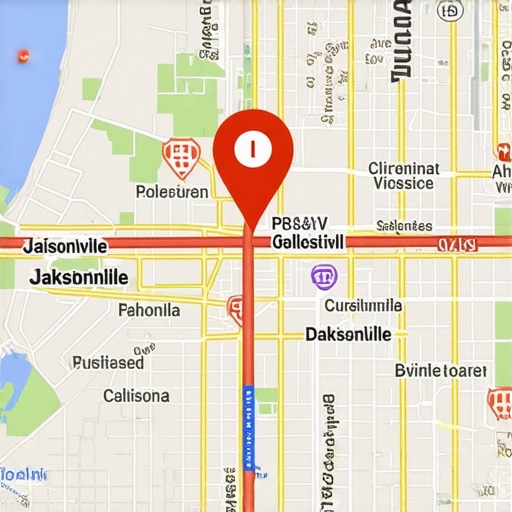
In a situational fail, I discovered that my business pin had moved slightly, confusing users and splitting my reviews. To fix this, I logged into Google Maps and submitted a correction, providing precise location info. It’s crucial to match your physical address and check for any map overlaps. Use tools like proximity fixes to align your pin accurately. This unambiguous positioning signals to Google you’re the right local authority.
Conduct a Local Listings and Directory Clean-Up
I audited all local citations—Yelp, Bing Places, and niche directories—making sure each was accurate and uniform. I discovered inconsistent listing categories and outdated contact info which diluted my visibility. Use tools like Moz Local or BrightLocal for bulk updates; these streamline the process. Remember, inconsistent data lowers your local search trustworthiness. For strategic updates, check out my listings tweaks.
Assess and Enhance Your Website’s Local Content
Beyond maps and listings, I examined my website’s local relevance. I added Jacksonville-specific testimonials, service pages, and embedded Google Maps. Make sure every local landing page has unique content, local keywords, and clear NAP info. Incorporate structured data markup—like Schema LocalBusiness—to help Google better understand your location context, boosting map rankings. Learn more about this in my article on local content strategies.
Utilize Map Pack and Map Interaction Signals
During my audit, I examined user engagement metrics—clicks, calls, directions—via Google Insights. If your profile isn’t eliciting interaction, it’s a signal that your engagement strategies need a boost. Incorporate call-to-actions, timely offers, and photos showing your shopfront or Jacksonville landmarks. Consider adding Google Posts regularly to stay fresh and relevant, which Google favors in rankings. Check out my tips on map interaction.
Monitor Reviews and Local Signals Rigorously
Reviews are the backbone of trust and influence local rankings. I set up alerts to monitor new reviews, responded promptly, and encouraged satisfied customers to share their experiences. Negative reviews handled professionally can turn critics into advocates. Also, encourage reviews that mention specific keywords or services in Jacksonville to boost relevance. For comprehensive review management, refer to my guide on review tactics.
Track Performance and Adjust Annually
An audit isn’t a one-time task—set calendar reminders to revisit these steps at least once a year. Use Google Analytics, GMB Insights, and local rank trackers to measure progress. If a particular area underperforms, diagnose the cause: is it proximity, content, reviews, or map issues? Your ongoing audit results will inform your next strategic move, keeping you ahead of Jacksonville competitors. For ongoing support, explore my local SEO master plan.
Many local businesses assume that a basic Google My Business profile and a handful of reviews are enough to dominate Jacksonville’s competitive local search landscape. However, this oversimplification ignores the complex nuances that can make or break your rankings. For instance, a common myth is that keyword stuffing in your GMB description or reviews will boost your visibility. In reality, search engines have advanced to prioritize authentic, user-centric signals over keyword saturation. Relying solely on these outdated tactics often results in penalties or stagnation, rather than growth.
Are You Neglecting the Hidden Signals That Elevate Map Rankings?
One advanced mistake I see repeatedly is overlooking the importance of proximity and how the AI-driven updates in local search rankings in Jacksonville are shifting the focus from traditional signals to neighborhood-level engagement. Search engines like Google now weigh factors such as user interaction metrics, local intent, and even social proof more heavily than ever before. For example, having a well-structured, locally optimized website with schema markup can significantly enhance your map pack visibility, but many skip this crucial step. According to industry experts, integrating structured data and local content not only improves rankings but also enriches user experience, leading to higher engagement and conversions. For more insights, check out my comprehensive guide on maps optimization strategies in 2025.
A particular trap to avoid is the belief that making minor tweaks to your profile will cause instant rank jumps. Maps and local search algorithms are now more dynamic and require a strategic, sustained effort. It’s vital to conduct detailed audits regularly and understand the evolving ranking signals like mobile usability, local link authority, and local citation consistency. Neglecting these nuanced factors hampers your efforts and allows competitors to overtake you, even if they are less optimized in a superficial sense.
Additionally, many overlook the importance of neighborhood targeting in Jacksonville. Rather than focusing solely on zip codes or broad keywords, deploying neighborhood-focused campaigns can unlock hidden opportunities, especially in suburban areas where local consumers search for nearby services. This approach leverages the neighborhood’s unique signals, which are increasingly influential in AI-led search results. To develop such strategies, I recommend reviewing my post on why local shops are losing Google Maps reach in 2026.
Ultimately, succeeding in Jacksonville’s local SEO scene demands more than superficial tactics; it requires understanding and optimizing the complex, often hidden signals that influence rankings. Are you unknowingly falling into these traps? Let me know in the comments. For those ready to take their local visibility to the next level, consider exploring my comprehensive local SEO master plan.
Keep It Working: Tools and Techniques for Sustained Local SEO Performance
Maintaining top rankings in Jacksonville’s competitive local search landscape requires a strategic combination of reliable tools, meticulous processes, and ongoing optimization. Over the years, I’ve discovered that using the right equipment and software is crucial for tracking progress, diagnosing issues, and implementing data-driven improvements. For instance, I personally rely heavily on BrightLocal for comprehensive citation audits—its ability to handle large-scale citation clean-up and consistency checks saves me hours and ensures my local listings remain trustworthy and accurate.
Another indispensable tool I recommend is Moz Local. It ensures uniformity across all your local citations, which is a fundamental ranking factor. I use Moz Local not just to correct inconsistent NAP details but also to monitor the health of my listings over time. Its audit reports provide actionable insights that help me proactively prevent visibility drops before they happen. As local SEO continues to evolve, tools like these will only become more integral to maintaining strong Jacksonville rankings.
On the technical side, structured data markup—particularly Schema.org LocalBusiness—is vital for telling Google exactly where and what your business is. I use Google’s Rich Results Test regularly to verify my markup implementation. This helps secure those coveted map pack spots and enhances click-through rates. Industry research, like Google’s own documentation, indicates that sites with well-implemented schema markup tend to perform better in local packs—an edge I continuously leverage.
For monitoring performance metrics, Google Search Console and GMB Insights are essential. I track user engagement, call conversions, and click behavior regularly, adjusting my strategies based on those insights. Additionally, I employ specific rank tracking tools that focus on local keywords to spot fluctuations early. This proactive approach allows me to act swiftly, correcting issues such as lost Map Pack visibility or decreased local CTR.
How do I maintain long-term SEO health without constant manual effort?
The answer lies in automating routine tasks and scheduling regular audits. Setting up automated alerts for review drops or citation inconsistencies helps me catch issues promptly. Furthermore, investing in ongoing education and following industry updates—like the latest Google Maps ranking hacks—ensures I stay ahead of algorithm changes. For example, I stay updated by regularly reviewing my favorite niche-specific resources, such as this guide to Google Maps rankings. As local search trends tilt toward AI-driven signals, embracing tools that analyze and adapt to these shifts—like local intent analyzers—is the future of sustained success in Jacksonville’s local SEO scene.
If you’re serious about keeping your Jacksonville business visible long-term, I recommend starting with regular citation audits using BrightLocal, combined with schema markup verification. Try implementing automated alerts for key metrics to catch potential drops early. Continuous adaptation and precise tracking are your best allies for long-lasting rankings—and your gateway to dominating the local map pack well into 2026 and beyond. For expert assistance or custom strategies, don’t hesitate to reach out.
What I Learned the Hard Way About GMB Management and Local Maps
A major lesson I wish I had known earlier is the significance of proactive GMB management beyond just verifying details. Regularly updating your profile with fresh posts, high-quality photos, and localized content can be the difference between unnoticed and dominating the Jacksonville map pack. Ignoring this dynamic aspect of local SEO almost cost me valuable visibility—don’t make the same mistake.
Which Tools Will Secure Your Edge in Jacksonville’s Competitive Market?
I trust BrightLocal for citation consistency checks that save me countless hours, ensuring my listings remain trustworthy. Moz Local has been invaluable for maintaining uniform NAP data across directories. These tools didn’t just help me fix issues—they built a resilient foundation for continued growth. For deeper insights, explore my recommended map rank strategies.
Can You Feel the Power of Consistent Audits?
Performing regular audits may seem tedious, but they uncover hidden problems before they escalate. From outdated citations to map pin misplacements, these checks safeguard your visibility. They also reveal emerging signals like neighborhood targeting opportunities or AI-driven ranking factors. Committing to this routine keeps your Jacksonville business ahead of competitors who neglect this vital step.
Are Local Content Enhancements Making a Difference?
Adding Jacksonville-specific testimonials, embed maps, and schema markup dramatically improved my local relevance. These efforts tell Google exactly where I operate and what I offer, boosting both organic rankings and drive-by visibility. If you haven’t optimized your local pages recently, now’s the time—align your content with local search behaviors for maximum impact.
What’s Next for Your Local SEO Success?
The future belongs to those who adapt swiftly and leverage every available signal—for instance, neighborhood focus and AI-driven engagement metrics. Regularly revisit your site and listings, stay updated with industry-specific resources, and be ready to implement new tactics. Long-term success isn’t accidental; it’s the result of deliberate, informed actions. Curious about refining your Jacksonville SEO approach? Check out my comprehensive local SEO master plan.
Time to Elevate Your Local Map Strategy
Quite a few Jacksonville businesses overlook how structured data, timely reviews, and neighborhood targeting can skyrocket their rankings. These overlooked signals are your secret weapons in the tight race for visibility. Start integrating these insights today, and watch your local rankings climb. Remember, consistent effort and strategic audits will keep your business visible long into 2026 and beyond. Thinking about your next move? I’d love to hear—what’s your biggest challenge in local SEO right now? Drop a comment below!
![How to Fix 2026 Local SEO Jacksonville Drop-Offs [Checklist]](https://jacksonvillelocalseo.com/wp-content/uploads/2026/03/How-to-Fix-2026-Local-SEO-Jacksonville-Drop-Offs-Checklist.jpeg)
Reading this post really hit home for me. I remember how stressful it was when my business listings suddenly disappeared from Google Maps — the panic of losing visibility was intense. Since then, I’ve learned the importance of routine SEO audits, especially in a competitive market like Jacksonville. It’s fascinating how small tweaks, like fixing map pin misplacements or updating NAP info, can dramatically affect local rankings. I’ve found that using tools like BrightLocal and Moz Local makes these tasks much more manageable, saving hours of manual work.
One thing I’ve struggled with is consistently encouraging satisfied customers to leave reviews that include local keywords. Has anyone found effective ways to motivate reviews that boost local relevance without sounding pushy? Also, how often do you recommend conducting a full audit? I’d love to hear what frequency works best for others trying to stay ahead of the game in 2026.