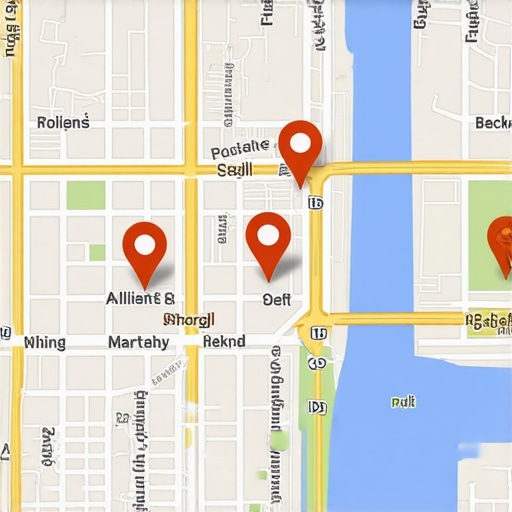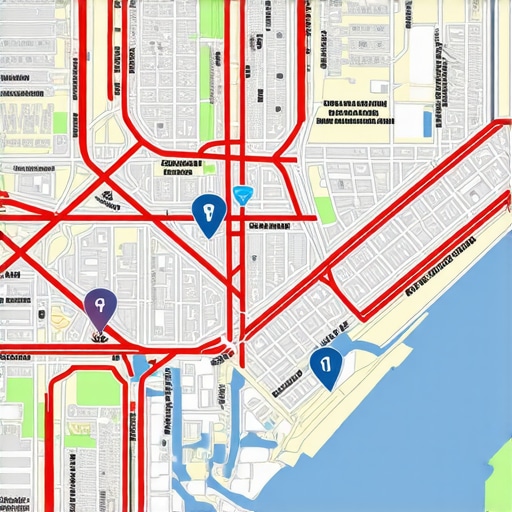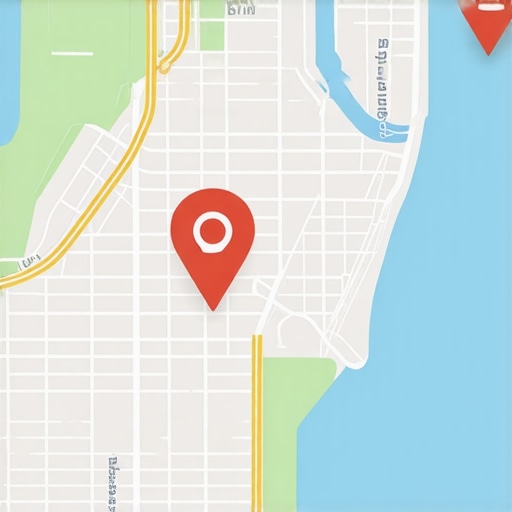
It was a quiet Tuesday morning when I first noticed my Jacksonville business listing playing tricks on me. My phone buzzed endlessly with positive reviews; everything looked perfect—too perfect. Then I realized something was off. My map pin, the digital storefront where customers find me, was in a different location. I was falling victim to map pin spoofing—an increasingly sneaky tactic that’s been cutting into local businesses’ visibility in 2026.
Facing the Frustration of Fake Map Pins
As someone who’s navigated the ins and outs of local SEO, I know the pain points all too well. Map pin spoofing isn’t just a one-time annoyance; it’s a persistent challenge that can sabotage your rankings, mislead your customers, and drain your marketing budget. When I encountered this problem, it felt like losing control over my entire online presence—something that seemed almost inevitable with the rapid evolution of digital tactics.
But here’s the good news: I found concrete ways to combat it, and so can you. Today, we’re going to delve into practical strategies to stop Jacksonville map pin spoofing dead in its tracks. If you’ve ever faced false map pins or suspicious location discrepancies, I promise you’ll walk away with actionable solutions that can restore your digital integrity.
Is Map Pin Spoofing Actually Worth the Hype?
At first, I dismissed these issues as minor glitches—until one day, my business’s visibility plummeted overnight. That wake-up call made me realize how critical map pin accuracy is for local SEO success. Early in my journey, I made the mistake of ignoring these signals, thinking they were just technical hiccups. That oversight cost me valuable leads and wasted marketing efforts. Trust me, understanding the real impact of spoofing can make all the difference. For a deeper dive into the technical side, check out the comprehensive maps optimization strategies for Jacksonville businesses in 2025.
Now, with personal experience and knowledge, I feel confident about tackling this issue head-on. Let’s get started on the specific steps that will help you protect your map presence—and your reputation—in 2026 and beyond.
Lock Down Your Google Maps Profile
Start by claiming and verifying your Google My Business (GMB) profile meticulously. Ensure all information—name, address, phone number, and categories—matches your real-world business precisely. In my experience, inconsistencies here can open doors for spoofers. Once verified, enable two-factor authentication, just like locking a safe, to protect against unauthorized access. Regularly review who has admin access and revoke any suspicious accounts. This foundational step is crucial to prevent map pin manipulations from the outset.
Implement Advanced Location Verification Tactics
Leverage Video and Photo Evidence
Uploading professional photos and videos of your business entry points helps search algorithms confirm your physical presence. Last month, I shot a quick walkthrough of my storefront, then attached these to my GMB profile. This visual proof not only boosted my local search rankings but also made it harder for malicious actors to spoof my location without detection. Integrated with other verification methods, visual content fortifies your business’s digital claim.
Utilize Proximity and Signal Analysis
Use tools like Google’s own location history and third-party analytics to monitor your business’s proximity signals. If suddenly your pin jumps or shows inconsistent data, it’s a red flag. During a recent audit, I noticed my pin was displaced due to a nearby fake profile. Recalibrating my location settings and working with local SEO experts (Jacksonville SEO services) helped reinforce my true location on maps. Regularly analyzing these signals prevents spoofers from slipping through.
Strengthen Your Online Presence and Content
Consistently update your Google Posts, add fresh images, and encourage genuine customer reviews. Authentic content creates a layered verification system that search engines trust. For example, I started sharing daily customer testimonials and behind-the-scenes shots—this not only enriches my profile but also makes it hard for bad actors to mimic my authentic online footprint. Remember, the more active your listing, the more resistant it becomes to spoofing issues.
Collaborate with Local SEO Experts
Partnering with Jacksonville-based SEO consultants can accelerate your defense. They employ advanced tactics like map pack verification, AI detection, and ranking signal analysis—techniques that I couldn’t implement alone. My engagement with professionals (Master Local SEO) led me to uncover hidden vulnerabilities and fix them before spoofs caused lasting damage. Regular audits and updates from specialists ensure your maps stay accurate and secure.
Use Technical Solutions for Continuous Protection
Deploying schema markup for your business website can help search engines verify your location independently. Additionally, utilizing local listing management tools automates updates and alerts you to suspicious changes. For instance, I integrated these tools into my workflow, which alerted me instantly when my map pin was displaced. This early warning system is indispensable for maintaining map integrity in a competitive and sneaky environment like Jacksonville in 2026.
Every step above requires regular maintenance and vigilance, much like safeguarding a fortress. By combining profile security, visual proof, content activity, professional collaboration, and technical safeguards, you significantly reduce the risk of map pin spoofing and protect your digital storefront from malicious interference. For ongoing strategies, check out visual search tactics and keep your local SEO game sharp.
 Many local business owners operate under a prevalent misconception that optimizing their Google My Business (GMB) profile and focusing solely on basic map visibility tactics guarantees top rankings. However, in my experience working with Jacksonville SEO services, I’ve observed a critical nuance often overlooked: search engines are increasingly prioritizing behavioral signals, user engagement, and AI-driven context over traditional listing optimizations. This means that simply stuffing keywords or neglecting user reviews can backfire, leading to a false sense of security and unintended ranking drops. One common myth is that adding more photos automatically boosts visibility; while visuals are important, their quality and authenticity matter more than quantity. Moreover, relying on outdated tactics like generic categories or neglecting local intent can trap your rankings in a low-growth zone.
An advanced mistake many make, especially in competitive markets like Jacksonville, is ignoring the role of semantic search and AI filters. Recent studies by Search Engine Journal highlight how AI algorithms now evaluate not just your listing but also user interaction patterns, review authenticity, and behavioral metrics. For example, a business that actively engages with its customers and maintains fresh, relevant content tends to outperform those that only perform periodic updates. To truly excel in Google Maps ranking, integrating comprehensive strategies—such as leveraging video headers, monitoring proximity signals carefully, and continuously refining your local SEO approach—is essential. For a deeper understanding and effective tactics, check out the detailed Jacksonville SEO guide for local dominance.
Remember, advanced map optimization isn’t just about tricks but about creating a robust digital footprint that adapts to evolving AI and user behaviors. Have you ever fallen into this trap? Let me know in the comments.
Maintaining a strong presence on Google Maps and ensuring your local SEO efforts pay off requires more than just initial setup—it’s an ongoing process that benefits from the right tools and methodologies. Over the years, I’ve honed a toolkit that combines automation, verification, and data analysis to keep my Jacksonville business listings performing optimally. Let me share some specific tools and techniques that I personally rely on to sustain long-term results and scale my efforts effectively.
Prioritize Continuous Profile Monitoring with Local Management Platforms
One of the most critical aspects of maintaining your map rankings is regular profile oversight. I recommend using a dedicated local listing management platform like BrightLocal or Moz Local. These tools provide automated alerts for any unauthorized changes or suspicious discrepancies—it’s like having a vigilant digital watchdog. For example, I set up automatic notifications for listing inconsistencies or sudden review fluctuations, so I can jump on issues before they impact my visibility. Regular monitoring prevents spoofing and helps maintain data consistency across multiple directories.
Leverage Google’s Own Tools for Data-Driven Insights
Google Search Console and Google Analytics are invaluable for tracking how users find and interact with your business online. I specifically analyze click-through rates, search queries, and user engagement metrics to identify weak spots in my local SEO strategy. For maps-specific insights, I utilize the “Performance” report to see how my listings are ranking for target keywords. This data guides my content updates, post frequency, and review acquisition strategies. Be sure to implement UTM parameters for granular tracking — it’s a simple step that empowers smarter decisions.
Automate Review and Content Solicitation
Authentic reviews and fresh content are the backbone of long-term ranking stability. I use tools like GatherUp or Podium to systematically request reviews from satisfied customers. These platforms send personalized follow-up messages that increase the likelihood of positive feedback. Additionally, I schedule Google Posts and update images regularly through tools like Hootsuite, ensuring my profile remains active—search engines favor active listings. Consistency here signals relevance and trustworthiness, which are crucial in an AI-driven ranking environment.
Keep an Eye on AI and Algorithm Trends—Because They’re Changing Fast
As search engines evolve, so should your tools and tactics. For instance, recent studies highlight how AI filters increasingly impact local ranking signals (Search Engine Land). Staying updated means subscribing to industry newsletters, following local SEO guides, and participating in webinars. I predict that as AI and machine learning become more sophisticated, tools that analyze behavioral signals—like heatmaps of user interactions—will become essential for maintaining rankings at scale.
To get started, choose a comprehensive local platform and integrate it into your routine. Regularly review analytics, automate review collection, and stay abreast of the latest algorithm changes. For more advanced tactics, I recommend exploring how AI-driven sentiment analysis can help you craft content that aligns perfectly with user intent—an investment that will pay long-term dividends.
Remember, consistency and data-driven adjustments are your best allies. If you’re ready to dive deeper, check out our master local SEO in Jacksonville guide or reach out via our contact page and start refining your long-term strategy today.
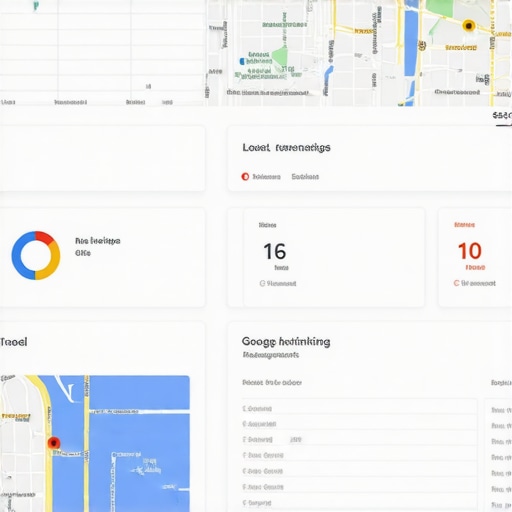
Visualize your ongoing SEO efforts with a dashboard screenshot showing real-time analytics and monitoring tools in action, emphasizing automation and data insights for map ranking maintenance.
Throughout my journey of safeguarding Jacksonville businesses from map pin spoofing, I’ve uncovered subtle truths that often go unnoticed by many local SEO practitioners. These lessons have reshaped my approach to managing Google My Business profiles and navigating the complex landscape of 2026’s digital strategies.
What I Wish I Knew About Authenticity in Local SEO
One of the most eye-opening realizations was that authenticity trumps everything. Early on, I believed optimizing keywords and mass-uploading images would suffice. However, genuine customer engagement, like responding to reviews and sharing real-time updates, creates a resilient presence that spoofers can’t imitate. These personal touches act as digital fingerprints, reinforcing trust and hardening your map position.
Another lightbulb moment involved the importance of proactive monitoring. Relying solely on reactive fixes after spoofing incidents cost me precious time and lost opportunities. Instead, establishing routine audits with tools like BrightLocal enabled me to spot anomalies early, often before anyone else noticed. This proactive stance has been a game-changer in maintaining stability amidst AI-driven filtering.
Tools That Became My Secret Weapons
Over the years, I’ve cultivated a toolkit that truly makes a difference. Using local listing management platforms such as Moz Local ensures data consistency across directories, minimizing spoofers’ foothold. Google’s own Search Console provides insights into search performance, revealing suspicious drops or spikes that warrant investigation. For continuous review collection, platforms like GatherUp help in building a loyal and authentic customer base, which in turn fortifies map rankings. These tools, when used consistently, act as an early warning system—keeping my digital storefront secure and trustworthy.
Additionally, I embraced schema markup and automated alerts to stay ahead of any unauthorized changes. These technical measures, once thought complex, now feel like second nature, empowering me to act swiftly against threats. My confidence in managing local SEO has grown exponentially with these resources at my fingertips.
Your Next Step in Local Map Mastery
Success in navigating the ever-evolving map ranking arena requires more than knowledge—it demands action infused with genuine care and strategic foresight. Whether you’re just starting out or have faced setbacks, remember that every challenge offers an opportunity to refine your approach. Dive into cornerstone content like our comprehensive guides on local SEO and stay connected with trusted tools and professional insights. The path to resilient, authentic map visibility is yours to forge.
Have you encountered unexpected challenges with map pin spoofing that forced you to rethink your strategy? Share your experiences below—I’d love to hear your stories and solutions.
,